
Discover · Connect · Preserve
Our stories deserve to live forever.
Cheta means “remember” in Igbo. It is a private, living heritage archive for your family: the tree, the faces, the voices and the stories, kept safe for the generations who will come after us.
▶ Watch the 1-minute tour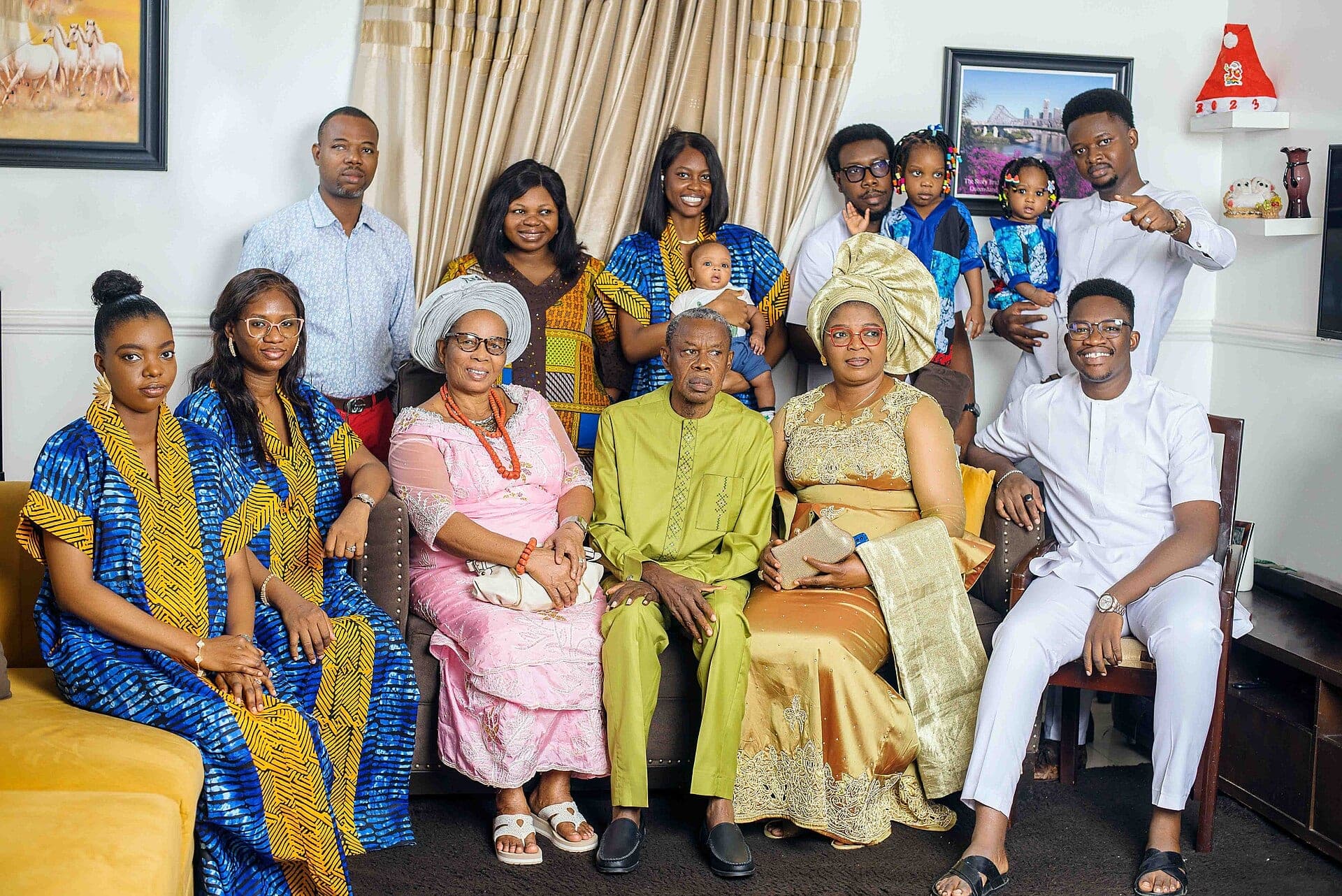
See how Cheta works in one minute
From creating your account to recording Grandma’s voice and printing your family chart. Turn the sound on.
Opening photo: AnikaMeyer, CC BY-SA 4.0. Screens show a demo family.

More than a family tree. A home for your family's legacy.
A living tree
Map generations with the relationships your family actually has: adoptive, step, customary and more. Unsure facts stay marked as unsure.
The family archive
Photographs, certificates, letters and written memories, each with who, when, where and who contributed it.
Built together
Invite relatives at home and abroad. Each person gets a role, from viewer to family historian, and every change is recorded.
Before the stories are lost
Hear them in their own voice.
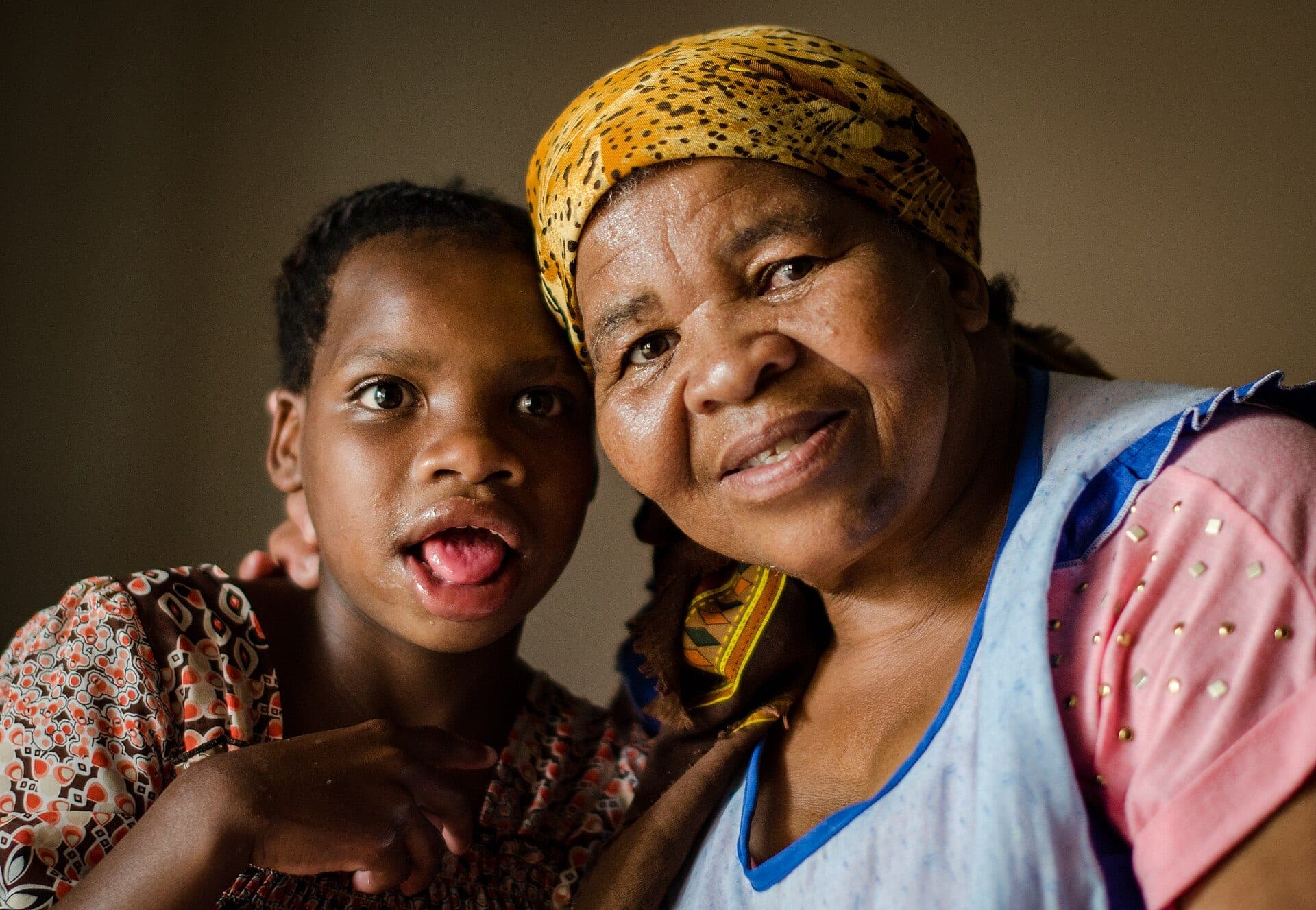
Record Grandma telling the story of the war years straight from your phone, in Igbo, Yoruba, Hausa or Pidgin, with the words written out and translated for the grandchildren abroad.
- Oral histories. Record or upload voice notes and videos. Hidden location data is removed before anything is stored.
- Legacy. Life lessons, sayings and messages to the family, in a person's own words or as the family remembers them.
- Evidence, not arguments. Relatives suggest corrections with their sources, and a reviewer decides on the evidence, never by vote.
A public profile never opens your private tree.
You choose what the world can see about an ancestor. Everything else, including who is related to whom, stays inside your family space, and our servers check membership on every single request.
- A name and short biography you approved
- Hometown and, for ancestors, years of life
- Links they or you chose to share
- The family tree and relationships
- Living relatives' details
- Photos, documents and stories
A living relative can only be made public by that person, from their own account. Children are never public.
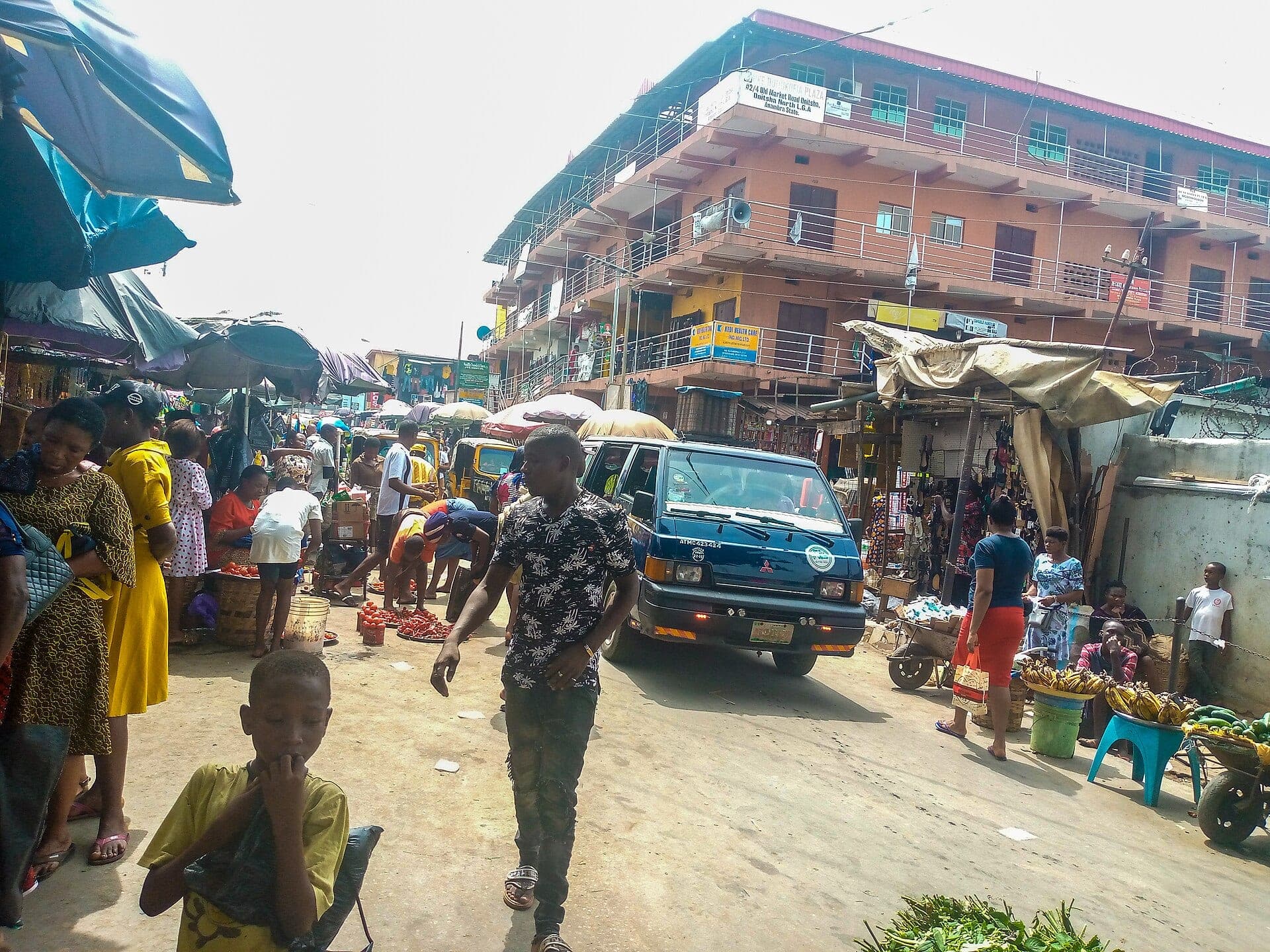
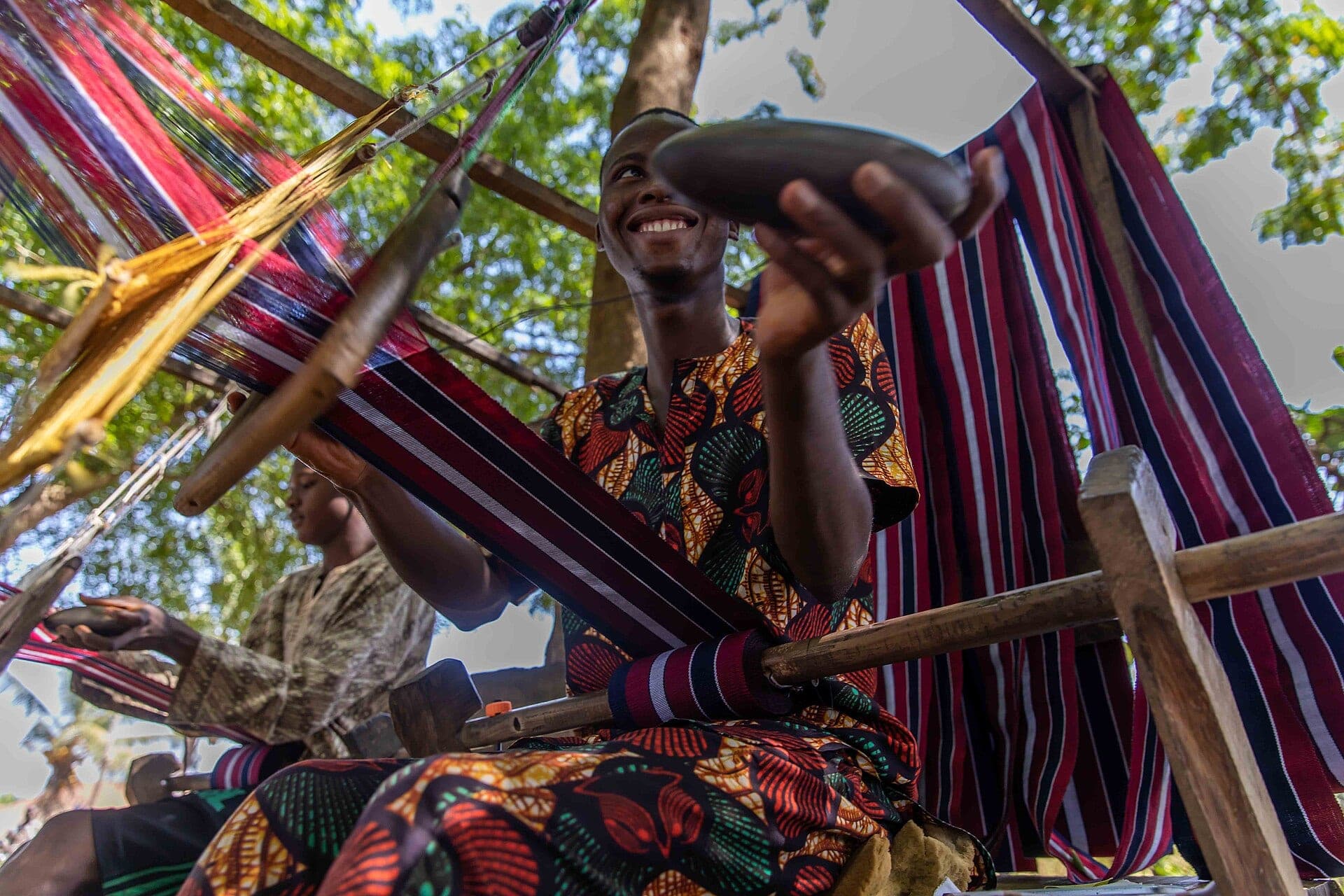
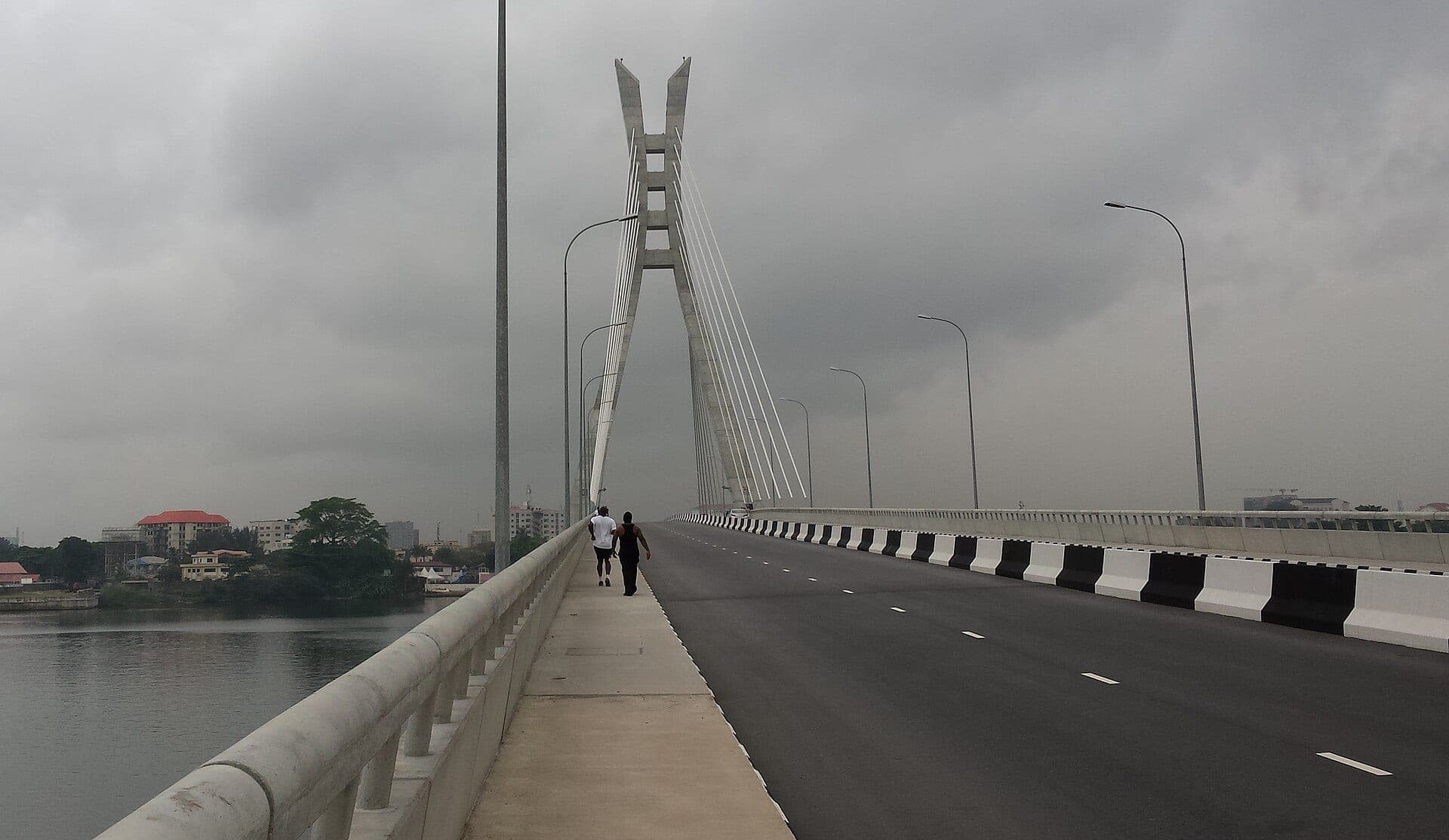
From the compound to the market to the diaspora.
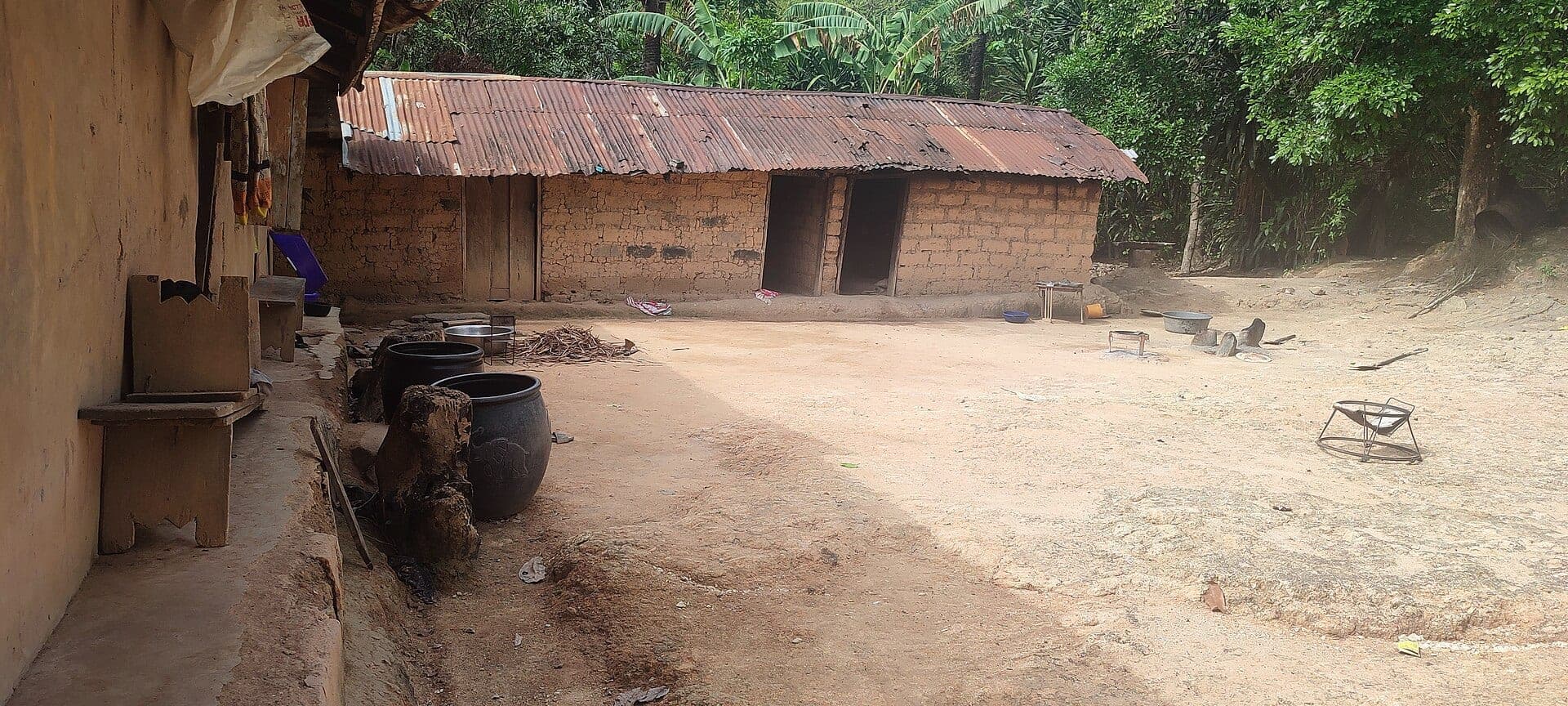
Every family's story runs through places. Tie each person and memory to the town they came from and the cities they went to.
Explore the world through its roots